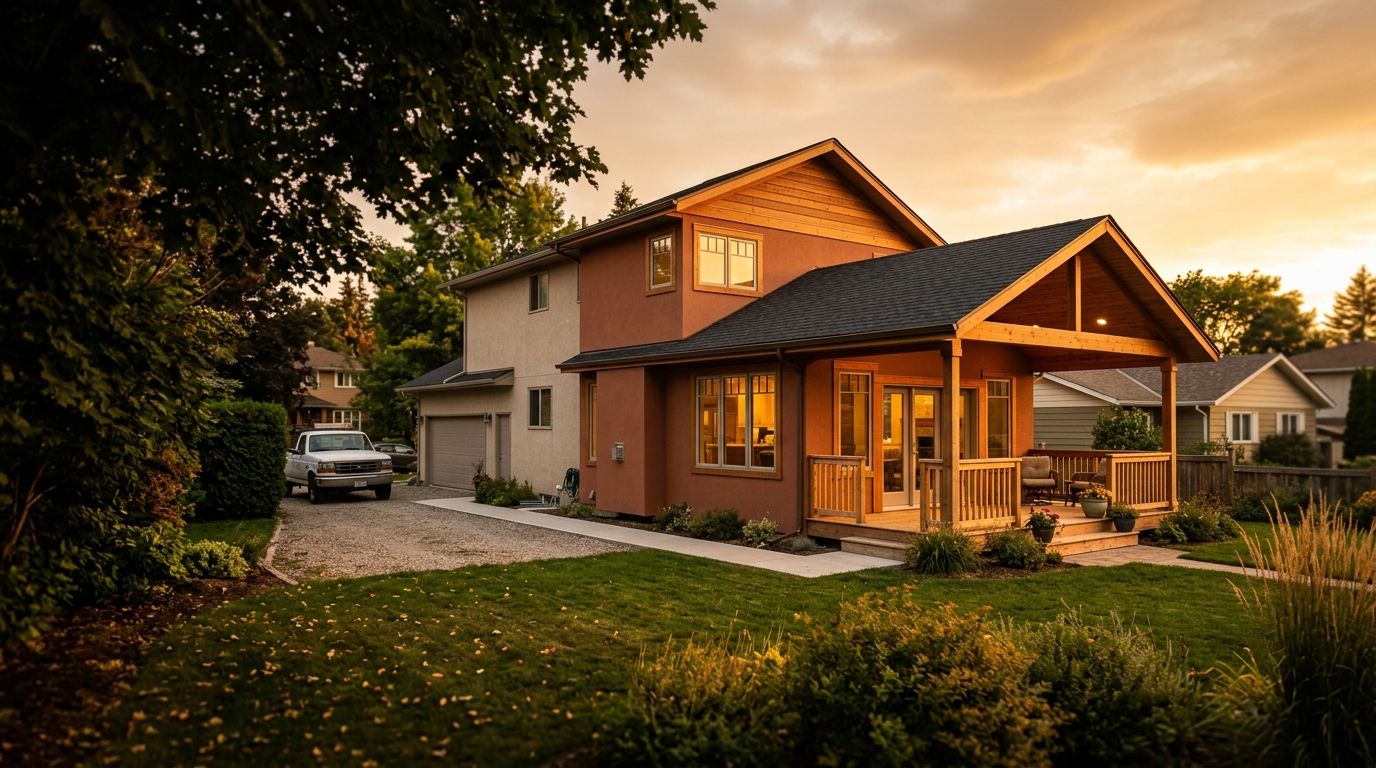
Home Addition Cost Per Square Foot: What Tract-Home Owners Actually Pay
If you've outgrown your production-built home, an addition is almost always the more cost-effective path compared to moving or building new — because you're already starting with a foundation, a roofline, and utility connections in place. Here's what that actually costs, broken down by the numbers homeowners ask us most.
The Short Answer
Most single-story additions on a tract-built home run $180–$400 per square foot fully finished. A 400 sq ft (20x20) addition typically lands between $70,000 and $160,000. A full 1,000 sq ft addition — enough for a primary suite or a couple of extra bedrooms — usually runs $150,000–$350,000+, depending on foundation type, finish level, and whether it's a second story.
What Actually Drives the Cost
- Foundation type. A slab addition tied into your existing footprint is the cheapest option. A raised or pier foundation, or anything requiring significant excavation, adds cost quickly.
- HVAC and electrical tie-ins. Extending ductwork and panel capacity into new square footage is consistently one of the most expensive line items on the quote — and one production-home floor plans don't always leave room for.
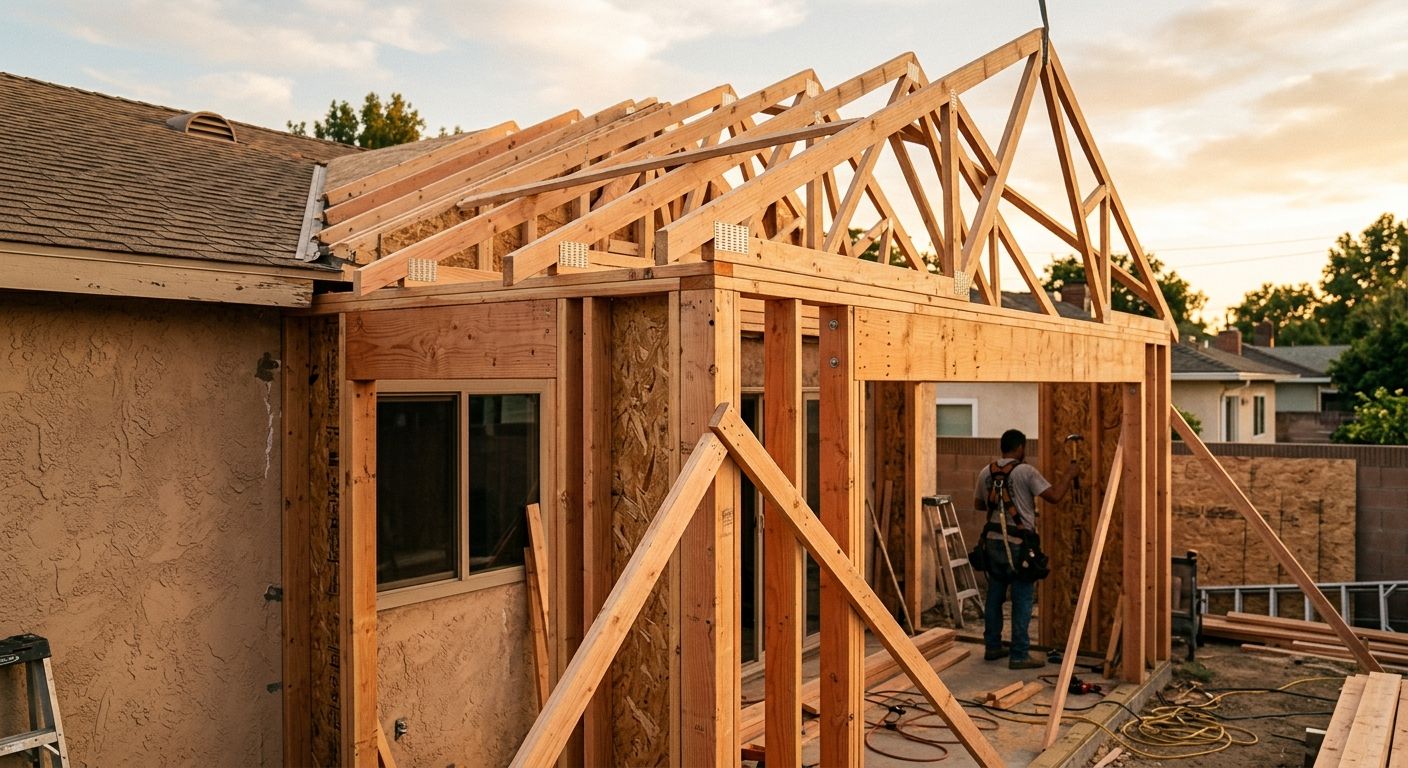
- Roofline matching. Tying a new addition's roof into your existing trusses so it reads as original construction, rather than a bolted-on box, takes more labor than a flat lean-to roof — but it's the difference between an addition that adds resale value and one that looks like an afterthought.
- Second story vs. single story. Adding a second story requires confirming your existing foundation and framing can bear the additional load, which sometimes means structural reinforcement before the addition itself begins.
Why Production-Home Experience Matters Here
Tract homes are built to a repeated plan, which is actually an advantage once you know it: we've typically already worked inside the same or a very similar floor plan, so we know where the load-bearing walls, plumbing stacks, and truss layout are before we open anything up. That translates to fewer surprise change orders once demo starts — which is where a lot of addition budgets go sideways with contractors who haven't worked in production subdivisions before.
What's the Most Expensive Part?
Foundation work and HVAC/electrical tie-ins are consistently the biggest line items, followed by roofing work to match the existing structure. Finish-level choices (flooring, fixtures, trim) matter less to the total than most homeowners expect — the structural and systems work is where the real cost lives.
Getting an Accurate Number for Your Home
Every tract-home subdivision is a little different, and "average cost per square foot" numbers only get you so far. The most reliable way to know what your specific addition will cost is a free, on-site estimate where we can see your existing floor plan, foundation, and roofline in person.
Request a free quote for your home addition, or call us directly to talk through what you're planning.